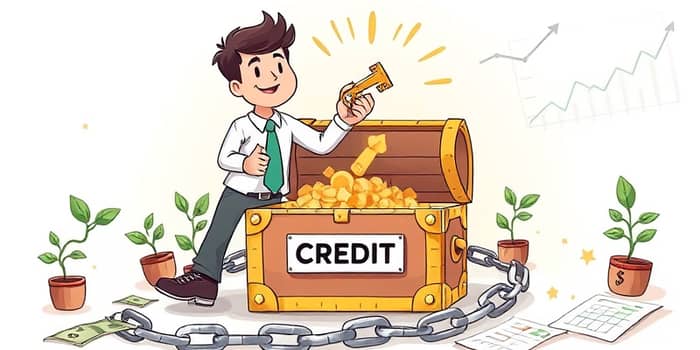
Credit is a powerful tool that, when understood correctly, can unlock opportunities and enhance financial stability.
However, many people fall victim to common misconceptions about credit that can hinder their progress.
By debunking these myths, you can make informed decisions and avoid unnecessary debt.
Understanding the Basics of Credit
Credit allows you to borrow money now with the promise to repay it later, often with interest.
It is essential for major purchases, emergencies, and building a financial reputation.
Yet, misinformation abounds, making it crucial to separate fact from fiction.
This section will guide you through the fundamentals, starting with personal loans.
Common Myths About Personal Loans and Credit
Many believe that personal loans are only for dire emergencies, but this is far from true.
In reality, they can fund planned projects like education or home improvements.
Another myth is that these loans always come with exorbitant interest rates.
Actually, rates vary based on factors like your credit history and the lender.
Some institutions offer competitive rates that are clearly disclosed to borrowers.
Let's explore more myths in a detailed list to clarify the realities.
- Myth: Personal loans require collateral like a house or car. Reality
- Myth: Getting a personal loan is extremely difficult. Reality
- Myth: Personal loans always lead to a cycle of debt. Reality
- Myth: If money is stolen, you don't have to repay the loan. Reality
- Myth: The loan amount isn't tied to your income. Reality
Debunking these ideas helps you see personal loans as a flexible financial tool, not a burden.
Myths About Credit Cards and Payments
Credit cards are another area ripe with misunderstandings that can cost you money.
A prevalent myth is that paying only the minimum amount is acceptable.
In truth, this covers just the interest, causing your debt to snowball over time.
Always aim to pay the full balance to avoid accumulating high costs.
Another false belief is that paying after each use doesn't affect your credit score.
Credit bureaus report monthly, so consistent payments build a positive history.
Here are key points to remember about credit card management.
- Myth: Paying the minimum is sufficient. Reality
- Myth: Credit inquiries hurt your score significantly. Reality
- Myth: Debt-to-credit ratio doesn't matter. Reality
Understanding these nuances can prevent unnecessary financial strain from credit cards.
Myths About Credit Bureaus and History
Credit bureaus are often misunderstood, leading to fear and confusion among consumers.
Some think being in a credit bureau is like being on a blacklist, but this isn't accurate.
Bureaus simply compile your credit history to help lenders make decisions.
They do not approve or deny credit applications on their own.
To clarify common misconceptions, refer to the table below that outlines myths versus realities.
This table highlights how credit bureaus function to support transparent financial systems.
Types of Credit and Their Uses
Not all credit is created equal; different types serve various purposes in your financial life.
Knowing these can help you choose the right option for your needs.
For instance, mortgage loans are for property purchases, while personal loans are more versatile.
Here is a list of common credit types to guide your decisions.
- Consumer Credit: Short to medium-term for goods and services.
- Mortgage Credit: Long-term for buying property with low rates.
- Commercial Credit: For business expenses and investments.
- Payroll Loans: Tied to salary, often with quick approval.
- Fast Loans: Small amounts with short terms and higher rates.
Each type has its benefits, such as flexibility or improved credit scores with timely payments.
Warning Signs of Uncontrolled Credit
It's easy to lose track of credit usage, leading to financial trouble if not addressed early.
Recognizing red flags can help you take corrective action before debt spirals.
If you notice any of these signs, it might be time to reassess your credit habits.
- Not knowing the total amount owed across all debts.
- Frequent late payments that incur extra interest and fees.
- Making only partial payments instead of full amounts due.
- Continuously applying for new credit cards or loans.
These indicators signal that your credit might be getting out of hand, requiring immediate attention.
Practical Tips for Healthy Credit Management
Managing credit effectively is key to financial well-being and avoiding common pitfalls.
By following some simple advice, you can build a strong credit profile over time.
Start by educating yourself on different credit products and their costs.
Always choose credit based on genuine needs, not impulsive desires.
Here are actionable tips to incorporate into your financial routine.
- Keep your debt-to-credit ratio low to maintain a good credit score.
- Pay more than the minimum on high-interest debts to reduce balances faster.
- Authorize credit inquiries to speed up approval processes when needed.
- Monitor your credit reports regularly for errors or unauthorized activity.
- Use a mix of credit types, such as loans and cards, to diversify your history.
Implementing these strategies ensures you leverage credit as a tool for growth, not stress.
Conclusion: Embracing Credit with Clarity
Credit doesn't have to be a source of anxiety or confusion when approached with knowledge.
By debunking myths, you empower yourself to make smart financial choices.
Remember that responsible credit use can lead to opportunities like home ownership or business ventures.
Stay informed, monitor your habits, and seek advice when needed to navigate credit successfully.
Ultimately, understanding credit truths transforms it from a feared concept into a trusted ally in your financial journey.
Referencias
- https://www.sabermassermas.com/los-mitos-y-realidades-de-un-credito/
- https://www.bineo.com/blog/finanzas/mitos-prestamos
- https://www.expreso.ec/buenavida/8-mitos-verdades-finanzas-personales-expertos-235933.html
- https://xepelin.com/blog/educacion-financiera/mitos-buro-de-credito
- https://www.bbva.com/es/pe/salud-financiera/mitos-y-verdades-del-uso-de-las-tarjetas-de-credito/
- https://bettermoneyhabits.bankofamerica.com/es/credit/5-facts-about-credit-cards
- https://oportun.com/es/educacion-financiera/que-estos-seis-mitos-sobre-el-credito-no-te-confundan/
- https://cootracerrejon.coop/mitos-y-verdades-sobre-los-prestamos-aclaramos-tus-dudas-financieras/
- http://www.bncr.fi.cr/blog/mitos-sobre-creditos-personales